







Search Results for: Espresso Shot Size
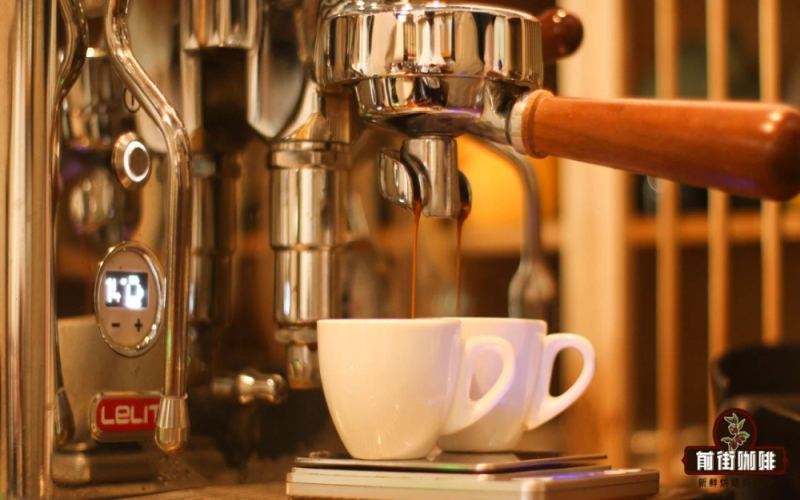
Starbucks Double Shot Caffeine Content Fully Explained: How Much Caffeine Is Actually in One Double Shot?
When ordering at Starbucks, have you ever noticed the term "Double shot"? How much caffeine does a double espresso actually contain, and how much do different products vary? This article will start with the origin of the word "Shot," trace the evolution of espresso measurement from volume-based to weight-based, and explain why the size of a single shot can vary so dramatically from one coffee shop to another today. At the same time, we will also draw on Front Street Coffee's extraction practices to provide specific parameters for dose, liquid weight, and time, helping you understand the true nature of a double espresso more clearly. Whether you drink Starbucks regularly or pull your own shots at home, you will find practical references here. [more…]
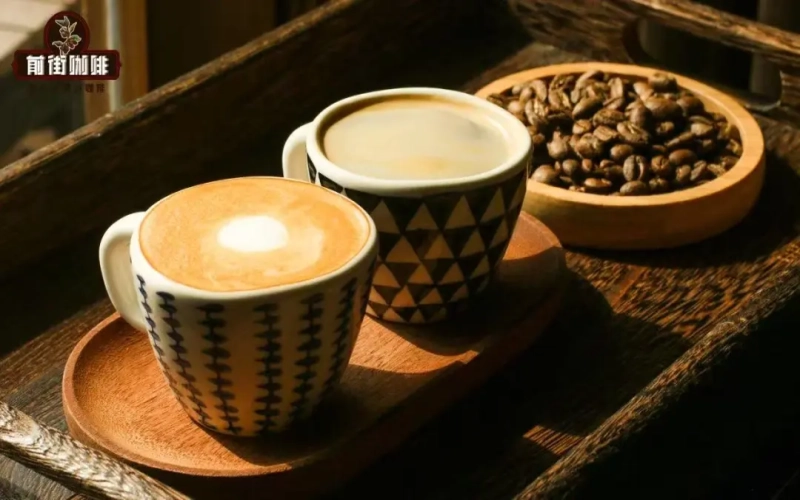
Why is Piccolo Coffee also called a small latte? What exactly is the difference between it and a latte in the use of milk and espresso?
What exactly are the differences between Piccolo coffee and latte? Why is Piccolo Latte called a small latte? This article systematically sorts out the relationship between Piccolo coffee and regular latte from the perspectives of name origin, historical background, cup size, and espresso usage. The article will also explain why Piccolo coffee is rarely served on its own in domestic coffee shops, and if you want to make a delicious Piccolo at home or in a shop, how to extract espresso and how to divide a double shot. Finally, Front Street Coffee will combine its own classic espresso blend beans to share the specific preparation parameters and flavor performance of Piccolo coffee, helping coffee enthusiasts understand this "small latte" more clearly. [more…]
What are the differences between single and double espresso shots? Front Street explains taste evaluation and suitable coffee bean selection
For friends who love espresso, the difference between a single shot and a double shot lies not only in the dose, but also has a direct impact on the flavor and strength in the cup. Front Street Coffee systematically sorts out the core differences between the two, from extraction parameters and the choice of filter basket and portafilter to grind size adjustment, and shares how to judge whether a shot of espresso is up to standard from three dimensions: sight, smell, and taste. The article also explores in depth what kind of coffee beans should be used for espresso, explains in detail the trade-off logic between blends and SOE, and recommends four beans specially formulated by roasters—Front Street Classic Blend, Specialty Blend, Commercial Blend, and Dark Cocoa Blend—along with reference pour-over parameters for espresso beans, providing coffee lovers with a complete and practical espresso guide. [more…]
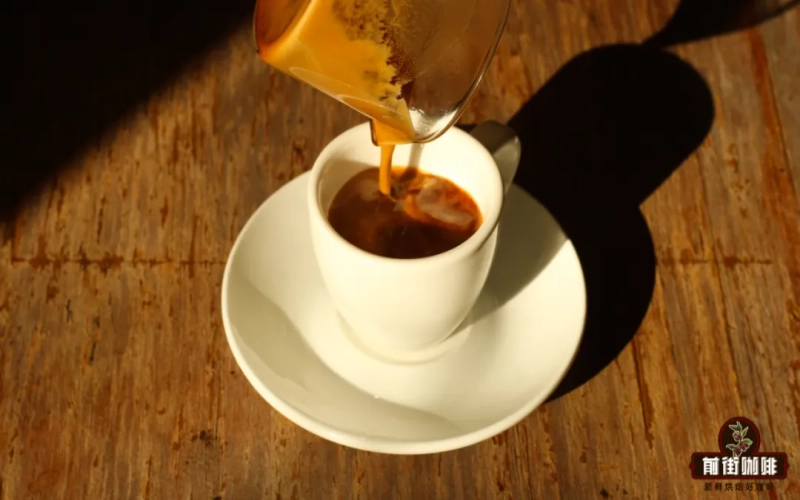
What does "shot" mean in espresso? One, two, or three? Front Street Coffee helps you understand the true meaning of 1 shot.
When ordering at a café, you often hear the phrase "add a shot," but how much coffee does this shot actually represent? It originated from the small glass of liquor in drinking culture, and after being borrowed into the coffee world, it usually refers to a serving of about 30ml of espresso. However, with the development of modern Italian-style coffee, the actual volume and caffeine content of a shot are already different from the past. In this article, Front Street will take you through the origins of the shot, clarify the differences between a single, double, and even triple espresso, and explain the true meaning of a shot under different shops and contexts, helping you more accurately understand the espresso options on the menu. [more…]
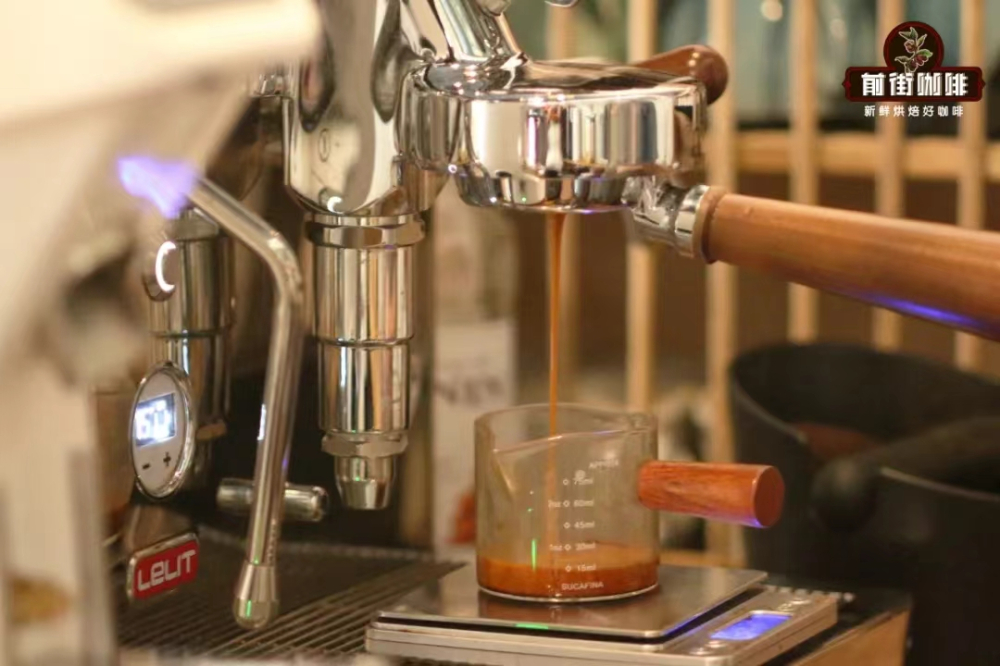
Espresso Extraction Ratios | How Many Milliliters Is a Single Shot of Espresso? What's the Difference Between a Single Shot and a Double Shot?
For more specialty coffee knowledge, please follow our WeChat official account: FrontStreet Coffee. Coffee lovers who often drink Italian milk coffee know that making a milk coffee requires pairing espresso with milk, such as FrontStreet [more…]
What factors determine espresso strength? An analysis of the correct ways to order with an extra shot versus a stronger pull
In the daily operation of a coffee shop, we often encounter customers who want a stronger cup of coffee. They tend to express their request for extra strength by saying "extract more espresso," but they are not quite aware of the professional option of "adding a shot." In fact, the strength of espresso is affected by multiple factors such as dose, yield, grind size, water temperature, and pressure, and adding a shot is only one way to adjust strength. This article will systematically sort out the key variables that affect espresso strength, explain the specific meaning of adding a shot, and introduce the standard phrasing for ordering a stronger coffee. The article also draws on product examples from Front Street Coffee to help enthusiasts understand the logic of strength control more accurately, so that next time they order, they can express their preferences clearly and professionally. [more…]
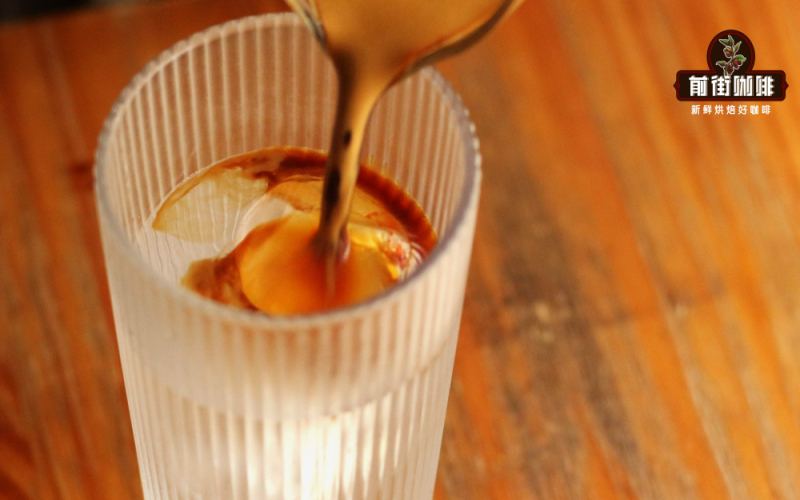
Espresso Beginner's Guide: Extraction Standards, Single vs. Double Shot Differences, and Latte Practice Parameters
Espresso is the soul base of fancy coffee drinks like lattes and cappuccinos, but many friends who are just getting into coffee still have doubts about its definition, extraction standards, and the difference between single and double shots. Starting from Front Street Coffee's production experience, this article systematically sorts out the basic concept of Espresso, the differences between single and double espressos, the production process and qualified standards, and combines the Feima E98 coffee machine to give specific extraction parameters for hot lattes and suggestions for milk-to-coffee ratios. Whether you want to know how many milliliters espresso must be to count as qualified, or want to know why it is now mostly measured in grams, this article can provide clear and practical answers to help you build a basic understanding of espresso. [more…]
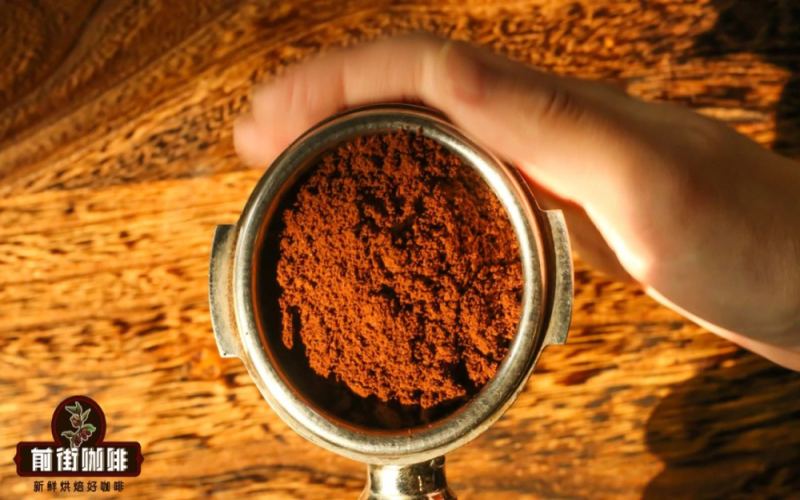
Espresso Coffee Powder-to-Water Ratio | How Many Milliliters Is 1 Shot of Espresso? What Is the Correct Way to Drink Espresso? Introduction to Espresso Extraction Recipes
The standard espresso ratio is 1:2—a single shot uses 9g of grounds to yield 18g of liquid, and a double shot uses 18g of grounds to yield 36g of liquid. When actually pulling a shot, fine-tune based on this brew ratio and the taste. The grind size for espresso is also adjusted by referencing this extraction time: if it runs fast, grind finer; if it runs slow, grind coarser, until the extraction time matches. [more…]
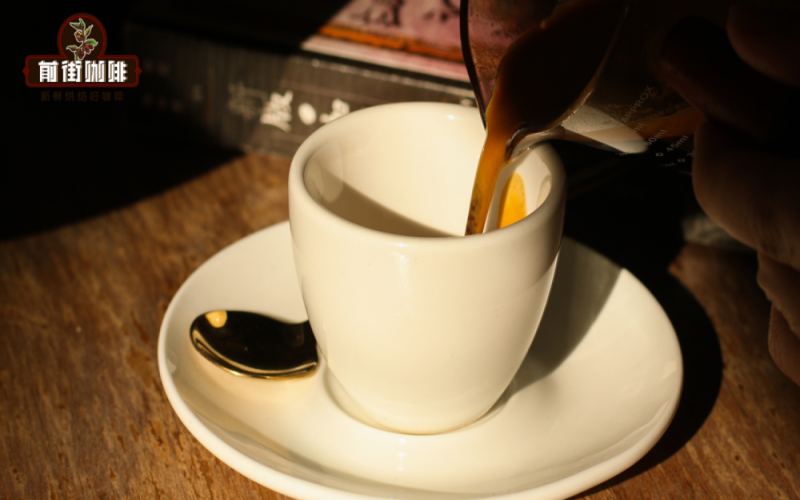
How Should the Espresso Brew Ratio Be Determined? A Complete Guide from Dose and Grind Size to Extraction Time
To make a decent espresso at home, the coffee-to-water ratio and grind size are two core variables you can't avoid. Standard espresso is usually based on 1:2, with a single shot using about 9 grams of coffee to extract 18 grams of liquid, and a double shot using 18 grams of coffee to 36 grams of liquid, but the actual output still needs fine-tuning based on how it tastes that day. The most intuitive way to judge whether the grind size is right is the extraction flow rate: if the liquid comes out too fast, the grind is too coarse and needs to be made finer; if the liquid comes out too slow, the grind is too fine and needs to be made coarser, until the extraction time falls within a reasonable range. Besides the parameters, the choice of beans is equally key—medium-dark roast blends or darker are more likely to achieve a balanced, stable flavor. This article will organize an actionable set of adjustment ideas around dose, ratio, grind size, and extraction time. [more…]
Espresso Bean Selection | What's the Difference Between a Single and Double Espresso? How Do You Tell If an Espresso Is Any Good?
Coffee enthusiasts who regularly drink espresso know that drinks like mocha, cappuccino, latte, and so on use different ratios of espresso to milk. Some use a single shot of espresso, while others use a double shot. So what is the difference in grind size between a single and a double shot of espresso? What kind of coffee beans should be used to make espresso? [more…]
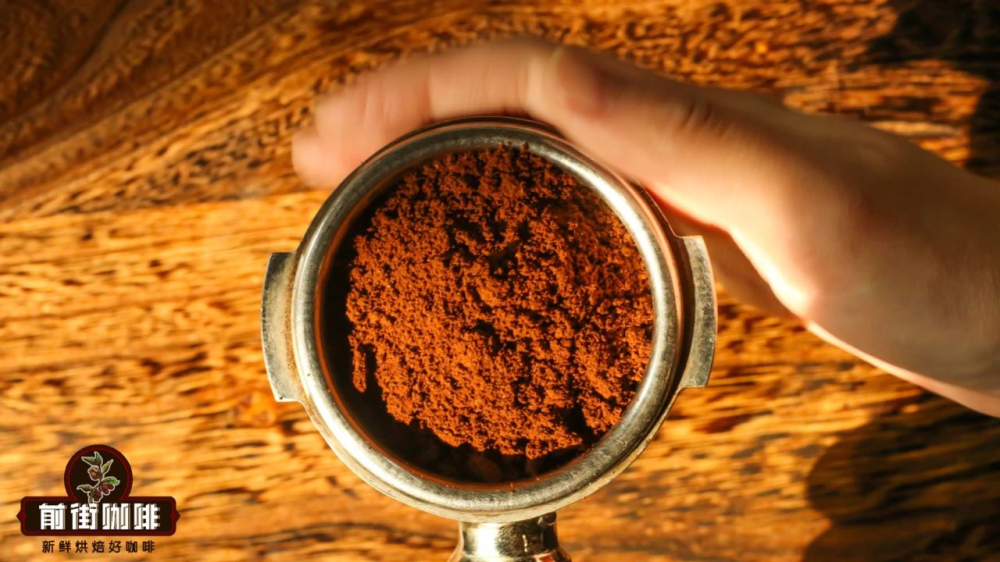
Espresso Coffee Beans | How to Choose Coffee Beans for Making Espresso? What Are the Espresso Bean Price, Extraction Time, Coffee Grounds Dose, and Ratio Parameters?
Each espresso extraction has different restrictions on the amount of coffee used depending on the size of the portafilter basket. Front Street Coffee, when making a single shot of espresso (1 shot), uses 10-11g of coffee grounds to extract 20-25g of espresso liquid. [more…]
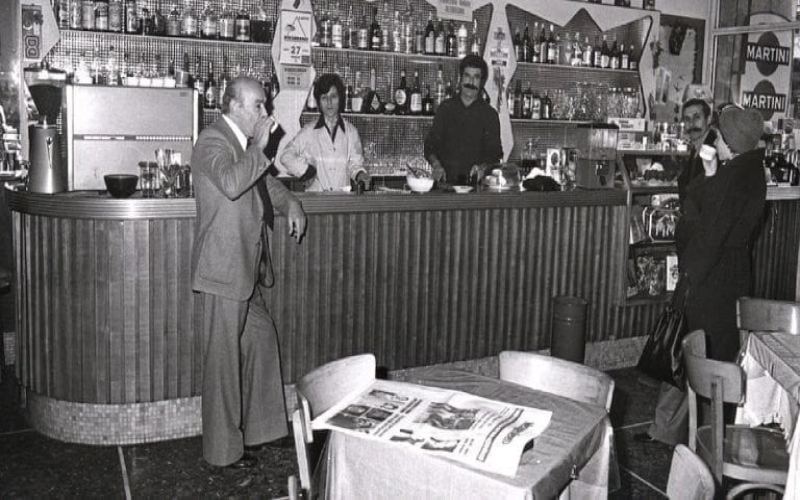
Espresso Brewing Parameters Explained: Dose, Time, Grind Size, and Ratio, with Budget Bean Recommendations for Office and Home
Espresso is the foundation of the Italian coffee system; whether it's a cappuccino, a latte, or a mocha, none can do without a properly extracted espresso base. This article provides a detailed breakdown of the dose, extraction time, liquid yield, and brew ratio parameters for single and double espressos, and explains how to adjust the grind size and use the basket's reference line. At the same time, for office and home scenarios, it introduces four espresso blend coffee beans with different positioning, covering classic blends, specialty blends, commercial blends, and dark cocoa blends, and offers recommendations for the espresso-to-milk ratio and blending in latte coffee, helping coffee enthusiasts find the everyday beans and brewing method that suit them. [more…]
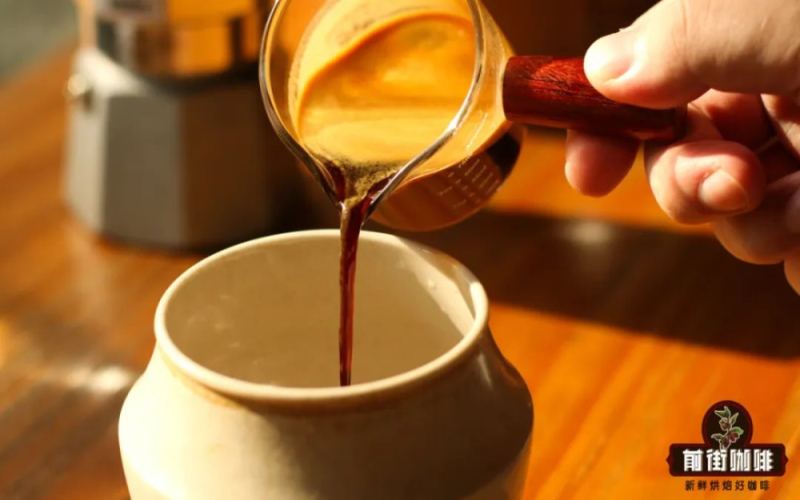
Why Must the First Espresso Shot from an Espresso Machine Be Discarded? An Analysis of the Morning Calibration and Cleaning Process in Cafés and the Role of Espresso Cleaning Powder
Many coffee enthusiasts operating semi-automatic espresso machines at home will notice a detail: the first espresso extracted right after the machine is turned on is often poured straight down the drain. This is not waste, but an early-tuning routine followed by both professional coffee shops and experienced home baristas. Why exactly can't this espresso be drunk? What systematic preparatory work do coffee shops do before officially opening? What role does espresso cleaning powder play in this? This article will focus on the daily startup routine of espresso machines, explain why the first shot of espresso is discarded, and comprehensively lay out the standard steps for in-store morning tuning, while also explaining the uses of cleaning powder and recommendations for choosing it. The article will also draw on the practical experience of Front Street Coffee to help everyone develop a correct mindset for coffee machine maintenance. [more…]
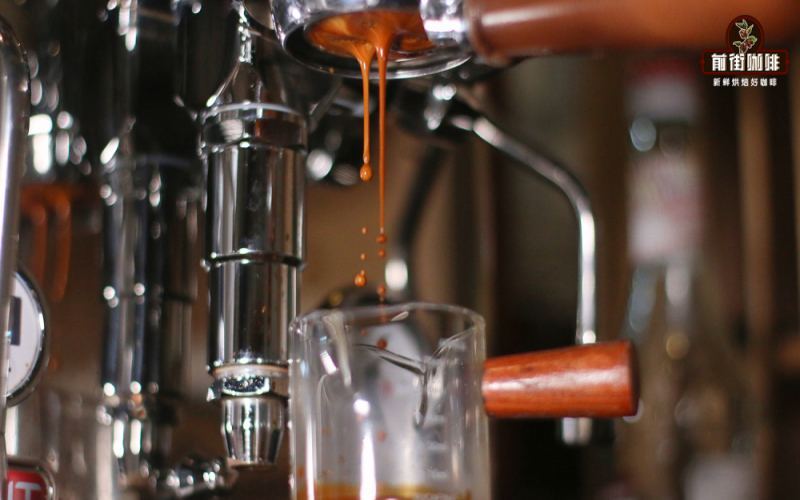
How Fine Should Espresso Grind Be? A Detailed Guide to Extraction Parameter Adjustment Methods and Practical Key Points
Espresso has always been known for being rich and intense, but pulling a consistently delicious shot requires juggling far more variables than most people imagine. The interplay among grind size, dose, yield, time, and water temperature—each one can shift where the final flavor lands. Starting from the brew ratio, this article draws on hands-on experience from Front Street Coffee's shops to lay out the logic for judging espresso grind size and a framework for adjusting extraction parameters, helping coffee lovers find the balance point between flow rate and flavor so they can quickly dial in a balanced shot of espresso. [more…]
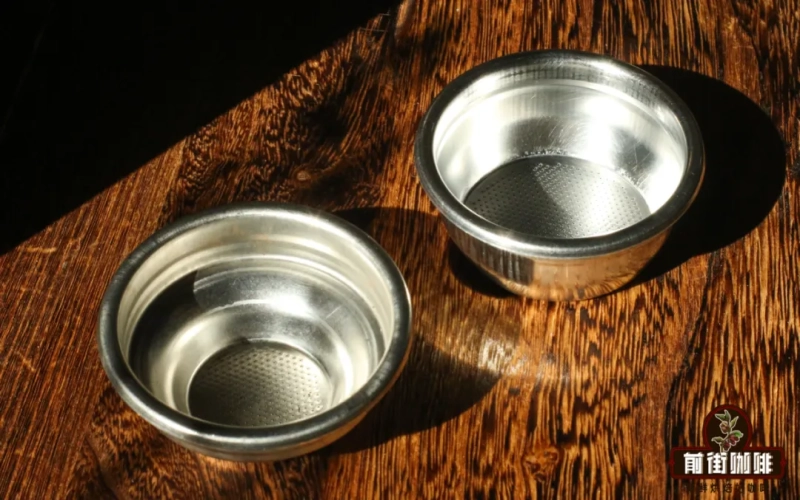
Single vs. Double Portafilter Baskets: Which One Should You Use to Pull a Shot of Espresso?
When ordering at a coffee shop, have you ever noticed the filter basket the barista uses? A single basket typically holds 9–11g of coffee grounds for pulling a single espresso; a double basket can hold 18–22g for a double espresso. But in reality, most cafés would rather use a double basket to pull an extra shot—even pouring half of it down the drain—than switch to a single basket. Why is that? Starting from Front Street's comparative experiments, this article takes a deep dive into the structural differences, extraction performance, and consistency issues of the two baskets, helping you fully understand which basket a single espresso should actually use. [more…]

Is It Normal for Black Sediment to Appear at the Bottom of an Espresso Shot? A Full Analysis of the Causes of Fine Particles and How to Fix Them
Many people notice a layer of fine black powder at the bottom of the cup after finishing a latte or espresso, and sometimes dark particles float at the bottom of an iced latte as well. Is this actually normal? Does it affect flavor or health? In fact, this sediment consists of ultra-fine particles that pass through the filter basket holes during espresso extraction. A trace amount is normal, but if a large amount of grounds is visible to the naked eye, it means something has gone wrong in the extraction process. This article starts with where these fine particles come from, analyzes possible factors such as grinding, the portafilter basket, and barista technique, and offers practical solutions like adjusting the grind setting, switching baskets, and adding a paper filter, to help you enjoy a cleaner cup of coffee. [more…]
A Detailed Guide to Espresso Coffee Powder-to-Water Ratio: From the Standard 1:2 to Flexible Adjustment Techniques for Extraction Parameters
The brew ratio of espresso is one of the key factors determining its flavor expression. The standard ratio is usually 1:2, meaning a single shot uses 9 grams of coffee to extract 18 grams of liquid, while a double shot uses 18 grams of coffee to extract 36 grams of liquid. However, in actual production, fine-tuning based on taste is still necessary. Starting from the definition of espresso, this article will provide a detailed analysis of its taste characteristics, the correct way to drink it, and the adjustment logic of core extraction parameters such as dose, liquid weight, and grind size. At the same time, drawing on the hands-on experience of Front Street Coffee stores, it will share how to quickly dial in a balanced and delicious espresso through flexible variable control. [more…]
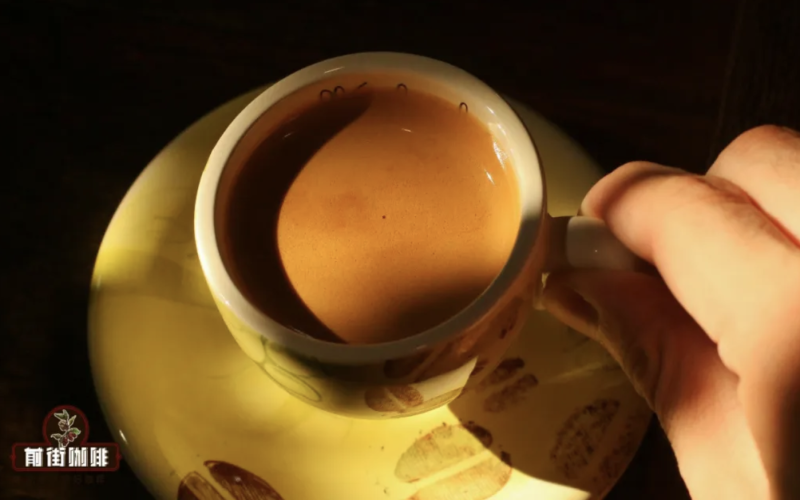
How to Pull a Good Espresso Shot at Home: The Key Lies in Bean Selection
Many people buy a home espresso machine with one first goal in mind: pulling a thick, creamy crema like the one in coffee shops. But after endlessly tweaking grind size, dose, and water temperature, the crema is still thin. The problem usually isn't the machine — it's the beans. Crema is the layer of foam formed when carbon dioxide and fats emulsify during espresso extraction. [more…]
The Complete Guide to Coffee English Vocabulary: From Common Coffee Shop Words to Ordering Terms and Detailed Explanations of Fancy Coffee Names in English
Walking into a coffee shop and facing a wall full of English menus, have you ever felt at a loss? This article systematically compiles common coffee-related English vocabulary, covering basic coffee shop terms, general coffee names, English expressions for fancy coffee, and high-frequency professional terms like Barista, Shot, and Espresso that appear when ordering. Whether you want to enhance your coffee knowledge or hope to be more calm and confident the next time you order, this vocabulary guide can help you quickly master the language code of the coffee world. The article also particularly recommends several products from Front Street Coffee, making it convenient for enthusiasts to follow the guide and learn while tasting. [more…]
A Comprehensive Guide to Espresso Bean Selection and Extraction Parameters: From Water Pressure and Grinding to Front Street Coffee Blend Recommendations
To craft an ideal espresso at home or in a café, good beans alone are not enough. Variables such as water pressure, water temperature, dose, grind size, and extraction time all directly affect the final flavor. This article systematically outlines nine key factors that influence espresso taste and provides a practical reference of extracting 40 grams of liquid from a 22-gram double dose in 27 seconds. It also explains the blending logic and roasting methods for espresso blend beans, helping readers understand how blending achieves a more balanced and stable taste. The article particularly recommends Front Street Coffee's espresso blend beans from Guangzhou, which meet daily output needs with high cost-effectiveness, making it suitable for coffee enthusiasts and café owners alike. [more…]